Pros and Cons of Optomap vs. Dilation
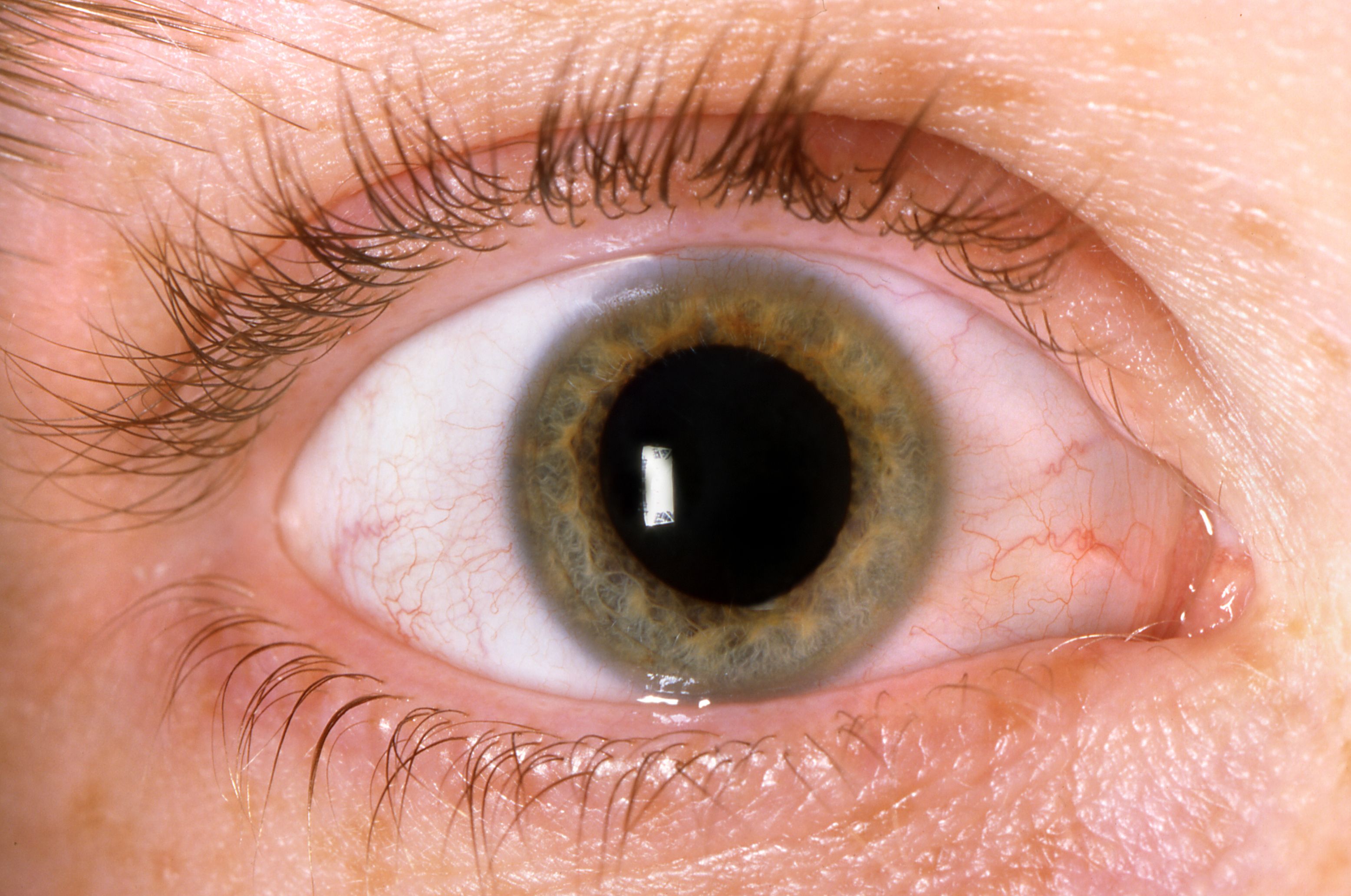
When it comes to protecting your long-term vision, a thorough examination of the retina is essential. During your comprehensive eye exam at Eastern Virginia Eye Associates, our doctors may recommend either Optomap retinal imaging or traditional pupil dilation to evaluate the health of the back of your eyes.
Both methods are highly effective, but they work in different ways and offer unique benefits. Understanding the pros and cons of Optomap versus dilation can help you feel confident about your eye care decisions.
What Is Optomap?
Optomap is a widefield digital imaging technology that captures a detailed, high-resolution image of the retina. Unlike traditional dilation, Optomap does not require medicated eye drops to enlarge your pupils in most cases.
The image provides a panoramic view of up to 200 degrees of the retina, allowing our doctors to detect early signs of eye disease and monitor changes over time.
Pros of Optomap
- No Dilation Required (In Most Cases) - Many patients appreciate that Optomap imaging usually eliminates the need for dilating drops, which can cause light sensitivity and blurry near vision for several hours.
- Quick and Comfortable - The scan takes just a few seconds per eye and is non-invasive.
- Widefield View - Optomap captures a broader view of the retina compared to what can be seen through an undilated pupil during a standard exam.
- Digital Record for Monitoring - Images are stored digitally, allowing our doctors to compare results year over year and detect subtle changes.
Cons of Optomap
- May Not Replace Dilation in All Cases - If certain symptoms, risk factors, or abnormalities are present, dilation may still be necessary for a more detailed evaluation.
- Additional Cost - Some insurance plans may not cover Optomap imaging as part of a routine exam.
What Is Traditional Dilation?
Dilation involves placing medicated eye drops into your eyes to temporarily enlarge the pupils. This allows the doctor to look directly through the pupil using specialized lenses and lights to examine the retina and optic nerve.
Pros of Dilation
- Gold Standard for Retinal Examination - Dilation has long been considered the most comprehensive method for examining the back of the eye.
- Detailed Peripheral Evaluation - It allows the doctor to carefully examine the far edges of the retina.
- No Additional Imaging Fee - Dilation is typically included as part of a comprehensive eye exam.
Cons of Dilation
- Temporary Side Effects - Blurred near vision and light sensitivity can last several hours. Patients often need sunglasses and may prefer not to drive immediately afterward.
- Time-Consuming - The drops take approximately 15–30 minutes to fully dilate the pupils before the exam can be completed.
Which Option Is Right for You?
At Eastern Virginia Eye Associates, we personalize every exam based on your age, health history, risk factors, and symptoms. In many cases, Optomap imaging provides an excellent screening tool and documentation method. However, dilation may still be recommended when a closer or more detailed view is necessary.
For patients with conditions such as diabetes, glaucoma risk, retinal concerns, flashes or floaters, dilation may be essential for a thorough evaluation.
Ultimately, both methods play an important role in protecting your eye health.
The Importance of Retinal Exams
Many serious eye diseases, including glaucoma, macular degeneration, retinal tears, and diabetic retinopathy, can develop without noticeable symptoms in their early stages. Whether through Optomap imaging or dilation, examining the retina is one of the most important steps in preserving your vision.
Early detection allows for early treatment - and that can make all the difference.
Schedule Your Comprehensive Eye Exam Today
Both Optomap and traditional dilation are valuable tools in modern eye care. Optomap offers convenience, comfort, and advanced digital imaging, while dilation remains the gold standard for detailed retinal evaluation.
At Eastern Virginia Eye Associates, our goal is to provide comprehensive, patient-centered care using the most appropriate technology for your needs. We will always explain your options and recommend the best approach to safeguard your vision.
If it’s time for your annual visit or if you have concerns about your eye health, contact Eastern Virginia Eye Associates to schedule an appointment. Visit our office in Chesapeake, Virginia, or call (757) 607-4800 to book an appointment today.


Contact Info
Our Services
Clinic Hours
- Monday 8:00 AM - 5:00 PM
- Tuesday 8:30 AM - 5:00 PM
- Wednesday 8:00 AM - 5:00 PM
- Thursday 8:00 AM - 5:00 PM
- Friday 8:00 AM - 5:00 PM
- Saturday Closed
- Sunday Closed
© 2026 Eastern Virginia Eye Associates. All rights Reserved. Accessibility Statement - Privacy Policy - Notice of Privacy Practices - Sitemap
Powered by: